
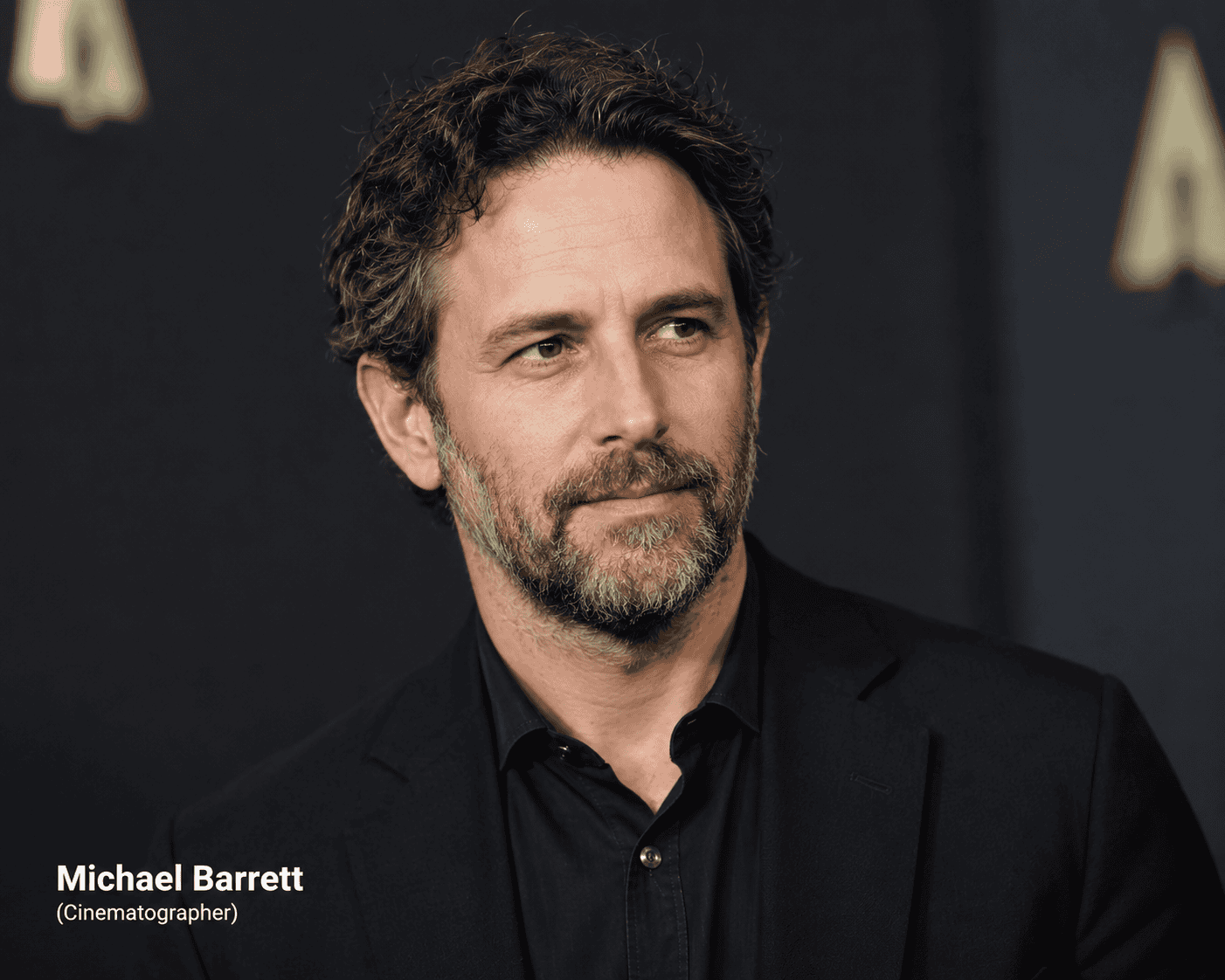
Michael Barrett (Cinematographer).Few cinematographers balance commercial appeal and visual artistry as effectively as Michael Barrett. Over the last two decades, he has built a reputation for creating polished, cinematic imagery across comedies, thrillers, dramas, and television productions. From stylish cult favorites like Kiss Kiss Bang Bang to mainstream hits such as Ted, Barrett’s work reflects a deep understanding of storytelling through light, composition, and movement.
Known for collaborating with high-profile directors and adapting to different genres with ease, Michael Barrett has become a respected figure in Hollywood cinematography. His career spans feature films, television, and directing, with his visual style helping shape the tone of many successful productions. This article explores his background, career milestones, filmmaking approach, notable projects, and personal life.
Who Is Michael Barrett? A Short Biography
| Detail | Information |
|---|---|
| Full Name | Michael Bradley Barrett |
| Date of Birth | May 28, 1970 |
| Age | 55 (as of 2026) |
| Birthplace | Riverside, California, USA |
| Nationality | American |
| Profession | Cinematographer, Director, Producer |
| Years Active | 1996–present |
| Education | UCLA (B.A. in Art), Columbia University (MFA in Film) |
| Famous For | Ted, Kiss Kiss Bang Bang, CSI: Crime Scene Investigation |
| Marital Status | Married |
| Spouse | Anna Faris |
| Official Website | Michael Barrett Official Website |
Early Life and Education
Growing Up in California
Michael Barrett was born in Riverside, California, and developed an early interest in visual arts and cinema. Unlike many cinematographers who begin strictly through technical training, Barrett’s academic background in art gave him a broader understanding of composition, color, and visual storytelling. That artistic foundation later became a defining feature of his cinematic style.
A major turning point reportedly came in the early 1990s when he met legendary Mexican cinematographer Gabriel Figueroa. Barrett has described the encounter as influential in shaping his career ambitions and understanding of cinematography as an emotional art form rather than simply a technical discipline.
Film School and Professional Training
Barrett earned a bachelor’s degree in art from the University of California, Los Angeles before completing a Master of Fine Arts in film at Columbia University. His education combined artistic theory with hands-on filmmaking experience.
During his time at Columbia, Barrett worked on short films and music videos while refining his visual language. He was also mentored by accomplished cinematographers, experiences that helped him transition into professional film production. By the late 1990s, he had begun building credits in independent cinema and television.
Michael Barrett (Cinematographer) Rise in Hollywood
Breakthrough With Television
Michael Barrett (Cinematographer) One of Barrett’s earliest major opportunities came with the hit television series CSI: Crime Scene Investigation. His work on the show helped establish his reputation within the industry and demonstrated his ability to create atmospheric visuals under tight production schedules.
His cinematography on the CSI pilot episode earned significant recognition, including an ASC Award for Outstanding Achievement in Cinematography in the category of Movie of the Week or Pilot. That award marked an important milestone and introduced Barrett to a wider circle of directors and producers.
Transition Into Feature Films
Michael Barrett (Cinematographer) After television success, Barrett moved steadily into feature filmmaking. Early projects allowed him to experiment with different genres, but his collaboration with director Shane Black on Kiss Kiss Bang Bang became especially important for his career.
The film’s stylish neo-noir aesthetic showcased Barrett’s talent for dynamic camera work and sharp lighting contrasts. Critics and audiences responded positively to the movie’s visual identity, and Barrett gained recognition as a cinematographer capable of combining mainstream accessibility with cinematic sophistication.
Signature Cinematography Style
Visual Storytelling Through Lighting
Michael Barrett (Cinematographer) Michael Barrett is often praised for his controlled use of lighting. Whether working on comedy, action, or drama, he tends to prioritize mood and character perspective rather than relying on overly flashy visuals.
Michael Barrett (Cinematographer) In films like Bobby and Everything Must Go, Barrett used softer, emotionally grounded lighting to support intimate storytelling. By contrast, projects such as Takers employed sharper contrasts and more kinetic camera movement to heighten tension and energy.
His versatility has allowed him to work comfortably across multiple genres without losing a recognizable cinematic polish.
Embracing Digital Filmmaking
Michael Barrett (Cinematographer) Barrett has also been part of the industry’s shift toward digital cinematography. Since the early 2010s, he has frequently used digital movie cameras while continuing to preserve a film-like visual texture. According to industry profiles, he became known for balancing modern digital workflows with traditional cinematic aesthetics.
This adaptability helped him remain in demand during a period when Hollywood productions rapidly transitioned from film stock to digital systems. His technical knowledge, combined with artistic instincts, made him valuable to both studio productions and independent filmmakers.
Notable Movies and Television Projects
Major Film Credits
Michael Barrett’s filmography includes a wide variety of commercially successful and critically discussed projects. Some of his best-known cinematography work includes:
- Kiss Kiss Bang Bang
- Bobby
- You Don’t Mess with the Zohan
- Takers
- Everything Must Go
- Ted
- A Million Ways to Die in the West
- Ted 2
Michael Barrett (Cinematographer) These productions demonstrate his ability to shift between comedy, crime, action, and emotional drama while maintaining strong visual consistency.
Television Contributions
Although Barrett became widely associated with feature films, television remained an important part of his career. In addition to CSI, he worked on series such as:
- CSI: Miami
- Supergirl
- Blood & Oil
Michael Barrett (Cinematographer) Television cinematography often demands fast production turnaround and visual consistency across episodes. Barrett’s success in the medium highlighted both his efficiency and creative flexibility.
Work as a Director and Industry Influence
Directing Projects
Michael Barrett (Cinematographer) While primarily known as a cinematographer, Barrett has also explored directing. One of his notable directing projects is Temple, a supernatural horror film.
Michael Barrett (Cinematographer) His transition into directing reflects a broader understanding of filmmaking beyond camera operation alone. Cinematographers who direct often bring a particularly visual approach to storytelling, and Barrett’s work behind the camera naturally influenced his directing style.
Membership in the ASC
Barrett is an active member of the American Society of Cinematographers, one of the most respected organizations in the film industry. Membership in the ASC is considered a major professional honor and recognizes exceptional contributions to cinematography.
Michael Barrett (Cinematographer) In addition to professional production work, Barrett has also taught cinematography at institutions including UCLA and Columbia University, sharing practical industry knowledge with emerging filmmakers.
Personal Life
Marriage to Anna Faris
Michael Barrett attracted wider public attention through his relationship with actress Anna Faris. The couple became engaged in 2020 and later married in 2021 during a private courthouse ceremony in Washington state.
Michael Barrett (Cinematographer) Despite public interest in their relationship, Barrett has generally maintained a relatively private personal life compared to many Hollywood figures.
Life Outside the Spotlight
Michael Barrett (Cinematographer) Unlike actors or directors who frequently appear in media interviews, cinematographers often work behind the scenes. Barrett fits that profile closely. Most discussions surrounding him focus on his craft, visual style, and professional collaborations rather than celebrity culture.
Michael Barrett (Cinematographer) That low-profile approach has helped keep attention centered on his work itself, which remains the strongest reason for his reputation within the film industry.
Why Michael Barrett’s Work Stands Out
Versatility Across Genres
Michael Barrett (Cinematographer) Many cinematographers become associated with one visual style or genre. Barrett’s career stands out because of its range. He has successfully photographed broad comedies, crime thrillers, emotional dramas, and action-heavy productions without losing artistic consistency.
Michael Barrett (Cinematographer) That flexibility has allowed him to work with a diverse group of filmmakers and maintain a steady presence in Hollywood for more than two decades.
Balancing Art and Commercial Appeal
Barrett’s cinematography often feels polished and accessible without becoming visually generic. He understands how to support storytelling while still creating memorable cinematic images. This balance between artistic expression and mainstream filmmaking has become one of his defining strengths.
Michael Barrett (Cinematographer) From studio comedies to dramatic ensemble films, his work consistently demonstrates technical precision and emotional awareness.
Frequently Asked Questions
Q: What is Michael Barrett best known for?
A: Michael Barrett is best known as an American cinematographer who worked on films such as Ted, Kiss Kiss Bang Bang, Bobby, and Takers. He is also recognized for his television work on CSI: Crime Scene Investigation and for being a member of the American Society of Cinematographers.
Q: Is Michael Barrett married to Anna Faris?
A: Yes. Michael Barrett married actress Anna Faris in 2021. Their relationship became public several years earlier, and the couple reportedly chose a private courthouse wedding ceremony in Washington state.
Q: What awards has Michael Barrett won?
A: Barrett received an ASC Award for Outstanding Achievement in Cinematography for his work on the CSI pilot episode. He has also earned industry recognition through festival selections and nominations related to his feature film work.
Q: Did Michael Barrett direct any movies?
A: Yes. In addition to cinematography, Michael Barrett directed the 2017 horror film Temple. Although directing is a smaller part of his career, it reflects his broader filmmaking experience.
Q: Where did Michael Barrett study filmmaking?
A: Barrett studied art at UCLA and later earned an MFA in film from Columbia University. His educational background combined visual arts training with practical filmmaking instruction.
Conclusion
Michael Barrett has built a respected career by combining technical mastery with thoughtful visual storytelling. From award-winning television work to successful Hollywood films, his cinematography has shaped the look and emotional tone of numerous productions across multiple genres.
What makes Barrett particularly notable is his adaptability. He moves comfortably between comedy, drama, action, and thriller projects while maintaining a refined cinematic style. His work behind the camera continues to influence modern filmmaking, and his contributions to both television and feature films have earned lasting recognition within the industry.
For film enthusiasts interested in cinematography, Barrett’s career offers a compelling example of how visual storytelling can elevate every kind of movie.

[…] phrase “half term 2019” was one of the most searched school-related topics by UK parents, teachers, and students planning […]