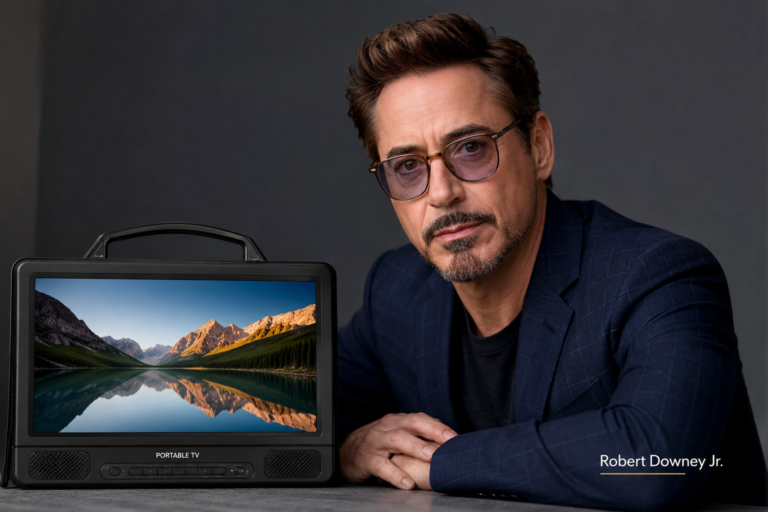
A portable tv is no longer just a tiny screen for camping trips. In 2026, portable televisions range from compact travel-friendly displays to premium wireless smart screens with touch controls, built-in batteries, and streaming apps. Whether you want entertainment for road trips, RV living, dorm rooms, outdoor events, or small apartments, today’s portable options are more versatile than ever.
Portable TV The biggest challenge is choosing the right type. Some models focus on mobility and battery life, while others deliver premium picture quality and smart features closer to a full-sized television. Understanding display technology, connectivity, portability, and power options can save you from buying a screen that looks impressive online but performs poorly in real life.
Portable TV This guide explains everything you need to know before buying a portable television in 2026, including key features, popular categories, and practical buying advice based on current market trends.
What Is a Portable TV?
A portable television is a compact, movable display designed for flexible viewing in different locations. Unlike traditional TVs that stay mounted in one place, portable models are lightweight and often include rechargeable batteries, wireless connectivity, or built-in streaming systems.
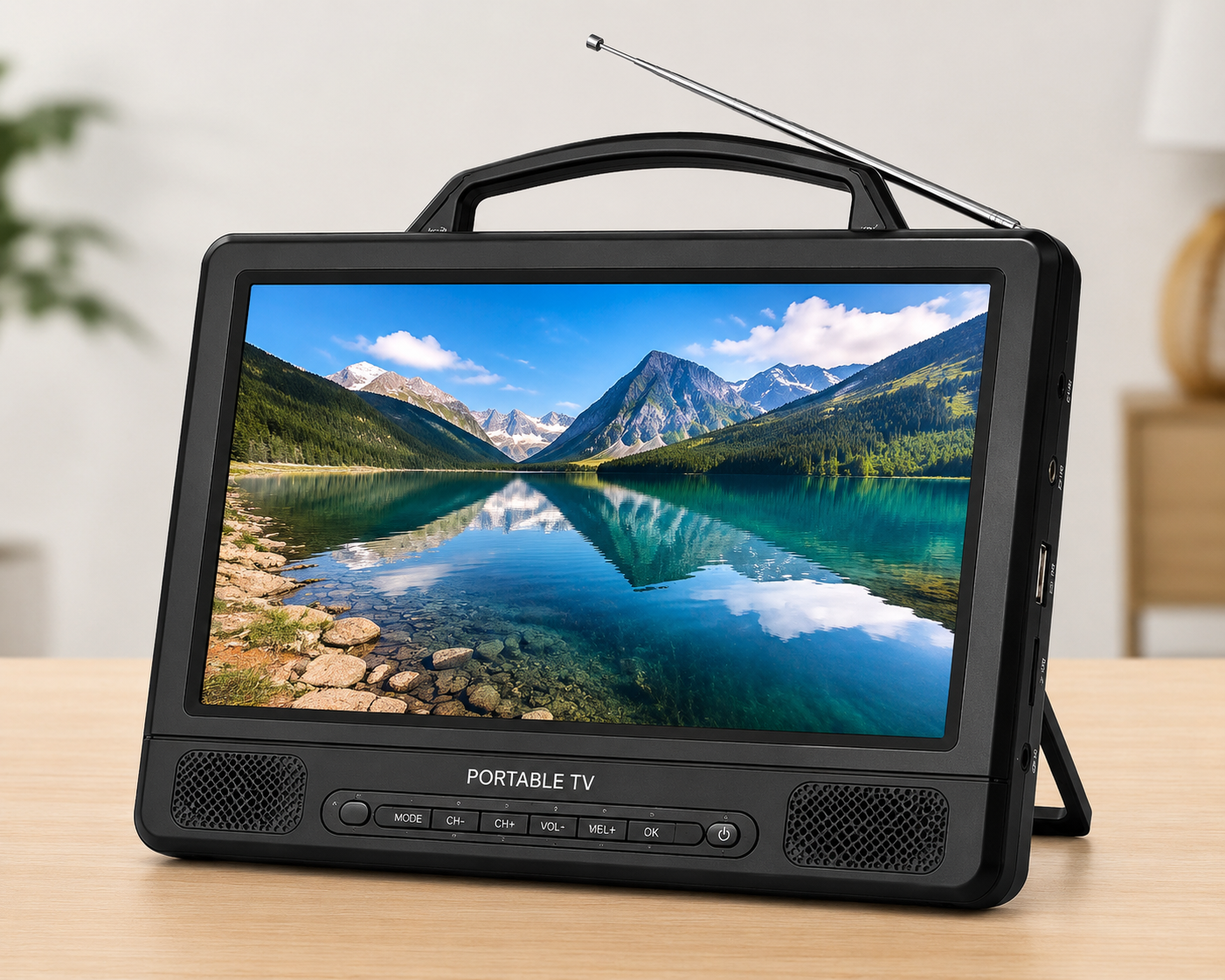
Portable TV Modern portable screens come in several forms. Some are small 10- to 15-inch travel TVs with antennas for camping and emergency use. Others are larger smart displays on rolling stands designed for moving between rooms. Premium models now include touchscreens, wireless casting, and smart operating systems similar to standard smart TVs.
Portable TV The category has expanded rapidly because more people now work remotely, travel frequently, or want flexible entertainment without installing a permanent television setup.
Why Portable TVs Are Becoming More Popular
Flexible Entertainment Anywhere
Portable TV One of the biggest reasons people buy portable televisions is convenience. A lightweight screen can move from the kitchen to the bedroom, patio, RV, or office without complicated installation.
For travelers and campers, a battery-powered display offers entertainment in places where a standard TV setup is impossible. Some models even support 12V vehicle charging, making them useful for vans and caravans.
At home, portable smart displays are increasingly replacing secondary televisions. Instead of buying multiple mounted TVs, users can simply move one wireless screen wherever they need it.
Better Technology in Smaller Sizes
Portable displays used to sacrifice picture quality for portability. That gap has narrowed significantly. Newer models offer Full HD or 4K resolution, HDR support, smart streaming apps, and improved brightness.
Mini-LED and IPS LCD panels are becoming common because they deliver strong brightness and wide viewing angles while remaining energy efficient. Experts note that IPS panels are especially useful for portable viewing because people often watch from different angles instead of sitting directly in front of the screen.
The result is a much better viewing experience than earlier generations of compact televisions.
Types of Portable TVs
Compact Travel TVs
These are the smallest and most affordable options. Most travel televisions range from 10 to 17 inches and prioritize portability over premium image quality.
Many include:
- Built-in rechargeable batteries
- HDMI and USB ports
- Digital TV tuners
- Foldable stands
- Lightweight plastic construction
They work well for camping, emergency preparedness, kitchens, and occasional travel use. However, smaller screens usually have limited brightness and lower audio quality compared to larger smart displays.
Portable Smart Screens
Portable smart displays are the fastest-growing segment in 2026. These models typically feature:
- Touchscreen controls
- Wi-Fi streaming
- Android TV or webOS
- Wireless casting
- Rolling stands
- Internal batteries
Popular products like the LG StanbyME line helped redefine what a portable television could be. These devices function almost like movable smart home entertainment hubs rather than traditional televisions.
They are ideal for apartments, hybrid workspaces, presentations, or casual streaming around the house.
RV and Outdoor Portable TVs
Outdoor-focused models prioritize durability and brightness. Many support:
- 12V vehicle power
- Stronger antennas
- Higher brightness levels
- Anti-glare coatings
- Weather-resistant construction
Mini-LED displays are especially popular for outdoor viewing because they maintain visibility in bright daylight better than OLED panels.
These TVs are commonly used in RVs, boats, patios, and mobile setups.
Key Features to Look For
Display Quality
Screen quality matters more than size alone. A smaller display with good brightness and color accuracy often looks better than a larger low-quality screen.
Important factors include:
- Resolution (Full HD or 4K preferred)
- Brightness levels
- Viewing angles
- Contrast performance
- Anti-glare coating
Mini-LED displays are gaining attention because they offer excellent brightness for portable viewing, especially outdoors. OLED screens still provide superior contrast but may consume more power and cost significantly more.
Battery Life
Battery performance determines how truly portable a television feels. Many current models provide between three and five hours of video playback on a single charge.
If you plan to use the TV outdoors or while traveling, battery capacity becomes one of the most important considerations.
Look for:
- Fast charging support
- USB-C charging compatibility
- Power-efficient display technology
- Real-world runtime reviews
Manufacturers sometimes advertise optimistic battery estimates, so user reviews can reveal more accurate performance expectations.
Smart Features and Connectivity
Most modern portable televisions include streaming apps and wireless support, but the software experience varies widely between brands.
Useful features include:
- Netflix and YouTube support
- Apple AirPlay or Chromecast
- Bluetooth audio
- HDMI input
- USB media playback
- Voice assistants
A strong operating system can dramatically improve everyday usability. Laggy software or poor app support quickly becomes frustrating, especially on budget devices.
Best Uses for a Portable TV
Camping and RV Living
Portable televisions remain extremely popular among campers and RV owners. Lightweight screens make it easy to enjoy entertainment without installing large electronics inside limited spaces.
Models with ATSC tuners can also receive over-the-air broadcasts in areas without internet access. NextGen TV support is becoming increasingly important for better reception and future compatibility.
Small Apartments and Dorm Rooms
A portable smart display can reduce clutter in compact living spaces. Instead of mounting multiple televisions, users can simply move one screen between rooms.
This flexibility is especially useful for students or renters who relocate frequently.
Outdoor Events and Backyard Entertainment
Battery-powered displays are increasingly used for backyard movie nights, sports viewing, and outdoor gatherings.
High-brightness screens with anti-glare coatings perform much better in daylight conditions. Experts frequently recommend Mini-LED technology for these scenarios because of its strong brightness capabilities.
Common Mistakes to Avoid
Buying Based Only on Screen Size
Many buyers assume a larger portable television automatically provides a better experience. In reality, poor brightness, weak speakers, or limited battery life can make a larger screen disappointing.
A well-designed 15-inch model may outperform a cheaper 24-inch alternative in everyday use.
Ignoring Weight and Portability
Some so-called portable televisions are surprisingly heavy. Before purchasing, check:
- Total weight
- Handle design
- Battery portability
- Stand stability
A bulky screen may stay permanently in one room despite being technically portable.
Overlooking Viewing Environment
The right display depends heavily on where you plan to use it.
For example:
- Outdoor use benefits from Mini-LED brightness
- Indoor movie watching favors OLED contrast
- Shared viewing benefits from IPS viewing angles
Choosing the wrong panel technology can affect long-term satisfaction.
Are Portable TVs Worth Buying?
For many users, the answer is yes. Portable televisions now serve multiple roles beyond simple travel entertainment. They can function as smart displays, secondary TVs, presentation screens, or outdoor viewing systems.
The best models balance portability, display quality, battery life, and software support without becoming overly expensive or bulky. Buyers who clearly understand their intended use usually get the best value.
Instead of replacing traditional televisions entirely, portable displays work best as flexible companion devices that adapt to changing spaces and lifestyles.
Frequently Asked Questions
Q: What size portable TV is best for travel?
A: Most travelers prefer screens between 13 and 19 inches because they balance visibility and portability. Smaller displays fit easily into backpacks, while larger options may require dedicated carrying cases or vehicle storage.
Q: Can a portable TV work without internet?
A: Yes. Many portable televisions support HDMI devices, USB media playback, or built-in digital tuners for over-the-air broadcasts. Smart streaming features require internet access, but basic viewing does not.
Q: How long does a portable TV battery last?
A: Most modern portable televisions offer around three to five hours of playback depending on brightness settings, streaming usage, and screen size. Premium models sometimes include larger batteries for extended use.
Q: Are portable smart TVs good for gaming?
A: Some portable displays work well for casual gaming, especially models with HDMI 2.1, low input lag, and Full HD or 4K resolution. Competitive gamers may still prefer dedicated gaming monitors for faster response times.
Q: What is the difference between a portable monitor and a portable TV?
A: Portable monitors mainly function as external screens for laptops or consoles, while portable televisions include TV tuners, smart apps, speakers, and standalone entertainment features.
Conclusion
The portable tv market has evolved far beyond small travel screens with limited functionality. In 2026, buyers can choose from compact camping TVs, premium touchscreen smart displays, and battery-powered entertainment systems designed for modern flexible living.
The best option depends on how and where you plan to use it. Travelers may prioritize lightweight designs and long battery life, while home users may care more about smart features and display quality. Brightness, connectivity, and software support often matter more than raw screen size.
As display technology continues improving, portable televisions are becoming practical everyday devices rather than niche gadgets. Taking the time to match the right features to your lifestyle will help you get far more value from your investment.