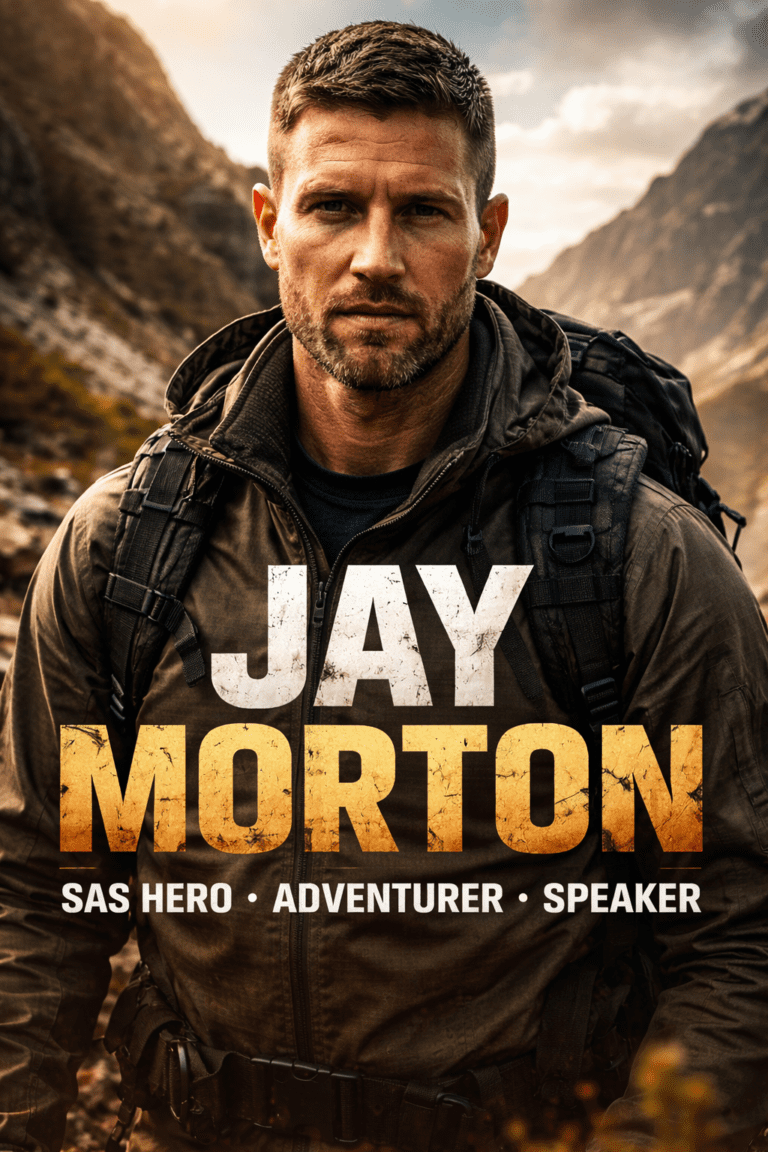
Jay Morton Few former military figures have successfully transitioned into mainstream media while maintaining credibility and public respect. Jay Morton is one of the rare exceptions. Best known for his role on the hit television series SAS: Who Dares Wins, Morton has built a reputation as a disciplined leader, adventure enthusiast, and motivational figure.
From serving in elite British Special Forces to climbing Mount Everest twice, his journey combines military expertise with endurance, resilience, and personal growth. In recent years, he has also become known for speaking openly about mindset, outdoor living, and the challenges of transitioning from military life to civilian success.
Who Is Jay Morton? A Short Biography
| Detail | Information |
|---|---|
| Full Name | Jay Morton |
| Birth Year | 1984 |
| Birthplace | Preston, Lancashire, England |
| Nationality | British |
| Profession | Former SAS Operator, TV Personality, Author |
| Years Active | 2004–present |
| Education | Studied Sport at College |
| Famous For | SAS service and SAS: Who Dares Wins |
| Source of Income | Television, books, speaking engagements, expeditions |
| Official Website | Jay Morton Official |
Early Life and Military Ambitions
Growing Up in Lancashire
Jay Morton was raised in Preston, Lancashire, where he developed a strong connection to the outdoors from a young age. According to his official biography, he spent much of his childhood exploring woods, building treehouses, and seeking adventure rather than staying indoors.
Unlike many polished television personalities, Morton has openly discussed struggling academically during school. He left with limited qualifications but maintained a clear sense of direction. His ambition was always tied to physical challenge, discipline, and military life.
Joining the British Army
In 2004, Morton joined the Parachute Regiment and began training in Catterick. After passing the demanding “P Company” selection process, he served with 3 PARA and deployed to Afghanistan twice and Iraq once.
His time in the Parachute Regiment laid the foundation for a future in elite special forces. The environment demanded physical resilience, tactical awareness, and the ability to operate effectively under pressure.
Passing SAS Selection
In 2008, Morton attempted the notoriously difficult UK Special Forces selection process. He passed on his first attempt and went on to spend approximately 10 years within UKSF, alongside four years in the Parachute Regiment.
During his service, he developed specialist skills including patrol medic training and military mountain guidance. These qualifications later became central to both his television work and expedition career.
Rise to Fame on SAS: Who Dares Wins
Joining the TV Series
Morton became widely recognized after joining the directing staff on SAS: Who Dares Wins. The Channel 4 program places civilians and celebrities through military-style selection exercises inspired by real SAS training.
His introduction to the show was unusual. In one early appearance, he reportedly entered the series undercover as a recruit before revealing himself as part of the directing staff team.
The twist helped establish his calm but intimidating screen presence, which quickly became popular among viewers.
Why Viewers Connected With Him
Unlike reality television figures who rely on exaggerated drama, Morton built his reputation through authenticity. His communication style is typically measured, disciplined, and straightforward.
Fans of the show often viewed him as relatable despite his elite military background. He spoke openly about fear, resilience, and the importance of mental strength rather than simply glorifying toughness.
That balanced approach helped separate him from more controversial personalities associated with military reality television.
Impact of the Series
SAS: Who Dares Wins became one of the UK’s most successful military-style reality programs. The show expanded internationally and introduced mainstream audiences to concepts such as endurance training, leadership under stress, and psychological resilience.
Morton’s role significantly increased his public profile and opened opportunities in publishing, speaking, and adventure media.
Adventure, Everest, and Outdoor Life
Climbing Mount Everest Twice
One of Morton’s most impressive achievements outside military service is summiting Mount Everest twice. His official website highlights both expeditions as major milestones in his post-military career.
High-altitude mountaineering requires immense endurance, technical preparation, and psychological control. For many former military personnel, such expeditions provide a continuation of the challenge-driven environment they experienced during service.
Passion for Adventure
Morton frequently discusses his love for high-adrenaline activities, including skydiving, motorcycles, racing, and mountain expeditions. In interviews, he has explained that these experiences help him feel focused and mentally calm.
Rather than framing adventure as reckless thrill-seeking, he often presents it as a way to reconnect with purpose and presence.
His philosophy resonates strongly with audiences interested in fitness, mental resilience, and outdoor living.
Life Beyond the Military
Transitioning from special forces service into civilian life can be difficult for many veterans. Morton has spoken about the challenge of leaving a fast-paced operational environment and adapting to normal routines.
Instead of distancing himself from his military identity, he has used his experiences to build a new career focused on leadership, discipline, and adventure education.
Jay Morton as an Author and Speaker
Soldier: Respect Is Earned
Morton expanded into publishing with his book Soldier: Respect Is Earned. The book draws from his military experiences and explores themes such as accountability, teamwork, resilience, and personal responsibility.
Rather than presenting exaggerated battlefield stories, the work focuses heavily on mindset and character development.
This approach helped the book appeal not only to military enthusiasts but also to readers interested in self-improvement and leadership.
Motivational Speaking and Brand Work
In addition to television and writing, Morton regularly collaborates with outdoor and adventure brands. He also participates in public speaking events related to leadership, resilience, and performance under pressure.
His talks often emphasize practical discipline rather than motivational clichés. Topics typically include:
- Managing fear and stress
- Building mental resilience
- Teamwork under pressure
- Physical and psychological preparation
- Personal accountability
Public Image and Credibility
One reason Morton remains respected is his relatively low-drama public image. While some reality television figures become controversial through social media conflicts or sensationalism, he has largely maintained a professional reputation focused on experience and authenticity.
That consistency has helped him build trust with audiences beyond the entertainment industry.
The Influence of Jay Morton Today
A Modern Face of Military Media
Jay Morton represents a newer type of military media personality. Instead of relying purely on aggression or shock value, he combines elite operational experience with emotional intelligence and thoughtful communication.
This balance has made him influential among viewers interested in:
- Fitness and endurance
- Leadership development
- Outdoor adventure
- Mental resilience
- Military culture
Continuing Projects and Public Presence
Through his website, media appearances, expeditions, and social channels, Morton continues to remain active in the public space.
His content increasingly focuses on personal development, adventure travel, and encouraging people to reconnect with physical activity and nature.
That message has become especially relevant in a world dominated by digital lifestyles and indoor routines.
Frequently Asked Questions
Q: Was Jay Morton really in the SAS?
A: Yes. According to his official biography, Jay Morton served 14 years in the British military, including around 10 years within UK Special Forces after passing SAS selection in 2008.
Q: What is Jay Morton famous for?
A: He is best known for appearing as directing staff on SAS: Who Dares Wins. He is also recognized for his military background, Everest expeditions, motivational speaking, and his book Soldier: Respect Is Earned.
Q: Did Jay Morton climb Mount Everest?
A: Yes. Jay Morton has successfully summited Mount Everest twice, an achievement highlighted on his official website and in multiple interviews.
Q: Where is Jay Morton from?
A: Jay Morton was born and raised in Preston, Lancashire, England.
Q: Does Jay Morton still work in television?
A: Morton remains associated with military and adventure television projects, public appearances, and media collaborations connected to leadership, endurance, and outdoor adventure.
Final Thoughts
Jay Morton has successfully transformed elite military experience into a broader platform focused on resilience, leadership, and adventure. His journey from the Parachute Regiment to UK Special Forces and eventually mainstream television demonstrates how discipline and adaptability can shape multiple careers.
What makes Morton stand out is not just his operational background or television success. It is the way he communicates challenge, personal growth, and mental strength without turning them into empty slogans. Whether through Everest expeditions, public speaking, or SAS: Who Dares Wins, he continues to inspire audiences looking for practical lessons in endurance and self-development.

[…] Jimi Famurewa was born and raised in London to Nigerian immigrant parents, an upbringing that would later shape much of his writing. His early life was marked by a blend of British urban culture and West African family traditions, especially through food. This dual identity became a central theme in his storytelling, where meals often represented more than just taste—they reflected belonging, memory, and cultural negotiation. […]